واژه های تصادفی
واژه های مجاور
Forward Slip
Forward Slip
توضیح فارسی
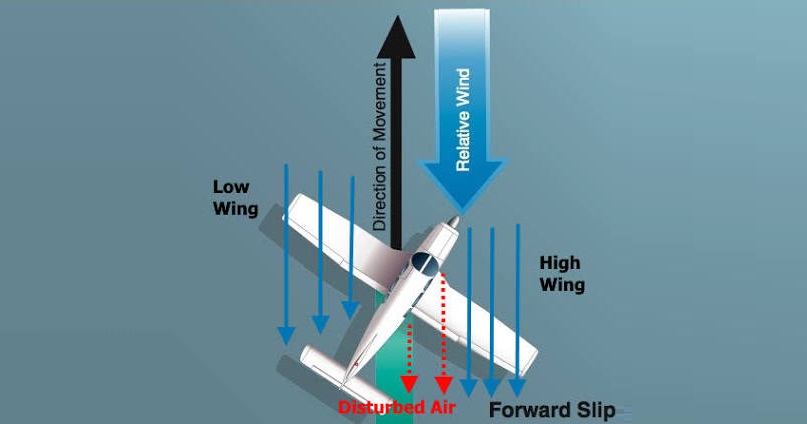
لغزش رو به جلو (Forward Slip) وضعیتی آیرودینامیکی است که در آن هواپیما ضمن حفظ مسیر خود، به صورت پهلو حرکت میکند. این وضعیت میتواند به دو صورت رخ دهد:
بهصورت ناخواسته (در نتیجه هماهنگی ضعیف سکان در پیچها یا تصحیح نادرست باد جانبی)
بهصورت عمدی (به عنوان یک مانور کنترلشده و حسابشده توسط خلبان)
در حالت عمدی، خلبان با اعمال همزمان ایلرون در یک جهت و سکان در جهت مخالف (Cross-Control)، پسا (Drag) را افزایش داده و نرخ فرود را بدون افزایش سرعت هوایی بالا میبرد. این مانور معمولاً در فاز نهایی فرود زمانی که هواپیما بیش از حد ارتفاع دارد، استفاده میشود.
در هر دو حالت (عمدی یا غیرعمدی)، هواپیما از نظر آیرودینامیکی نامتعادل است و گوی نشانگر لغزش از مرکز خارج میشود. تفاوت اصلی در قصد خلبان است: Forward Slip ناخواسته نشاندهنده خطای خلبان و میتواند در نزدیکی واماندگی خطرناک باشد؛ در حالی که Forward Slip عمدی یک مهارت ارزشمند و یک مانور شناختهشده در آموزش پرواز محسوب میشود.
Description
Forward Slip is an aerodynamic condition in which the aircraft flies sideways while maintaining its ground track. This condition can occur either unintentionally (as a result of poor rudder coordination during turns or inadequate crosswind correction) or intentionally (as a deliberate, controlled maneuver). When performed intentionally, the pilot applies opposite aileron and rudder (cross-control) simultaneously to increase drag and descent rate without increasing airspeed. This is typically used during the final approach when the aircraft is too high. In both cases—whether intentional or unintentional—the aircraft is aerodynamically uncoordinated, and the slip-skid indicator ball is deflected. However, the difference lies in the pilot's intent: unintentional forward slip is considered a pilot error and can be dangerous near the stall; intentional forward slip is a valuable skill and a recognized maneuver in flight training.