واژه های تصادفی
واژه های مجاور
Side slip
Side slip
توضیح فارسی
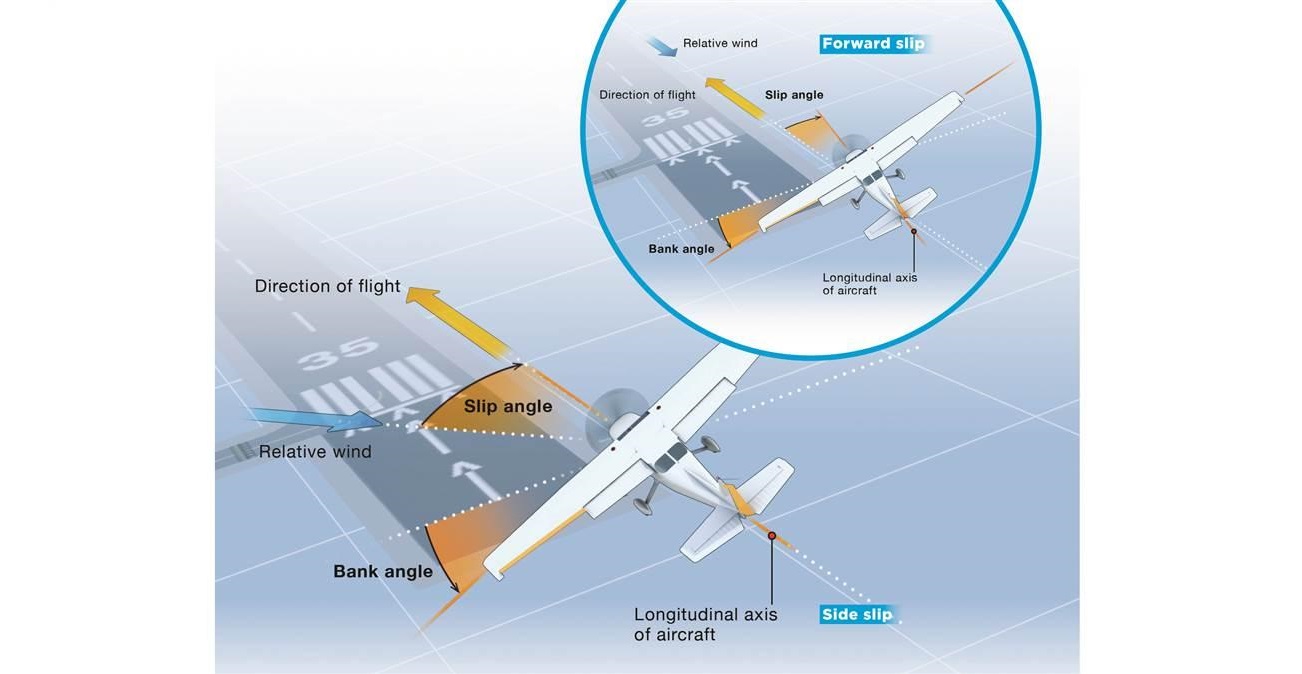
لغزش جانبی (Side Slip) وضعیتی آیرودینامیکی است که در آن محور طولی هواپیما با مسیر زمینی آن همراستا نیست و هواپیما به صورت پهلو نسبت به باد نسبی حرکت میکند. این وضعیت میتواند به دو صورت رخ دهد:
بهصورت ناخواسته (به علت اِعمالِ ناکافی سکان در پیچها، تصحیح نادرست باد جانبی یا تلاطم)
بهصورت اِرادی توسط خلبان (به عنوان یک مانور دقیق و کنترلشده که عُمدتاً در هنگام فرود هواپیما در شرایطی که باد جانبی وجود داشته باشد استفاده میشود)
در حالت اِرادی، خلبان بال سمت باد (Upwind Wing) را پایین میآورد و همزمان سکان را در جهت مخالف اعمال میکند تا محور طولی هواپیما با خط مرکزی باند همراستا باقی بماند و رانش جانبی ناشی از باد خنثی شود. نتیجه این کار، وضعیتی پایدار است که در آن بدنه هواپیما نسبت به باد زاویه دارد، اما مسیر زمینی کاملاً مستقیم و بر روی خط مرکزی باند باقی میماند.
در هر دو حالت (اِرادی یا ناخواسته)، هواپیما از نظر آیرودینامیکی نامتعادل است و گویِ نشانگر لغزش از مرکز خارج میشود. تفاوت اصلی در قصد خلبان است: Side Slip اِرادی نشاندهنده مهارت و دقت خلبان است، در حالی که Side Slip ناخواسته یک خطای پروازی محسوب میشود که میتواند به خصوص در هنگام فرود، به از دست دادن کنترل جهتی منجر شود.
Description
Side Slip is an aerodynamic condition in which the aircraft's longitudinal axis is not aligned with its ground track, and the aircraft moves sideways relative to the oncoming wind. This condition can occur unintentionally (due to inadequate rudder input during turns, improper crosswind correction, or turbulence) or intentionally (as a precise, controlled maneuver used primarily during crosswind landings). When performed intentionally, the pilot lowers the upwind wing and applies opposite rudder to keep the aircraft aligned with the runway centerline while countering the lateral drift caused by wind. The result is a stable approach where the fuselage is angled into the wind, but the ground track remains straight on the runway centerline. In both cases—whether intentional or unintentional—the aircraft is uncoordinated, and the slip-skid indicator ball is displaced. However, the intentional side slip is a sign of pilot skill and precision, while the unintentional side slip is a pilot error that can lead to loss of directional control, especially during landing.